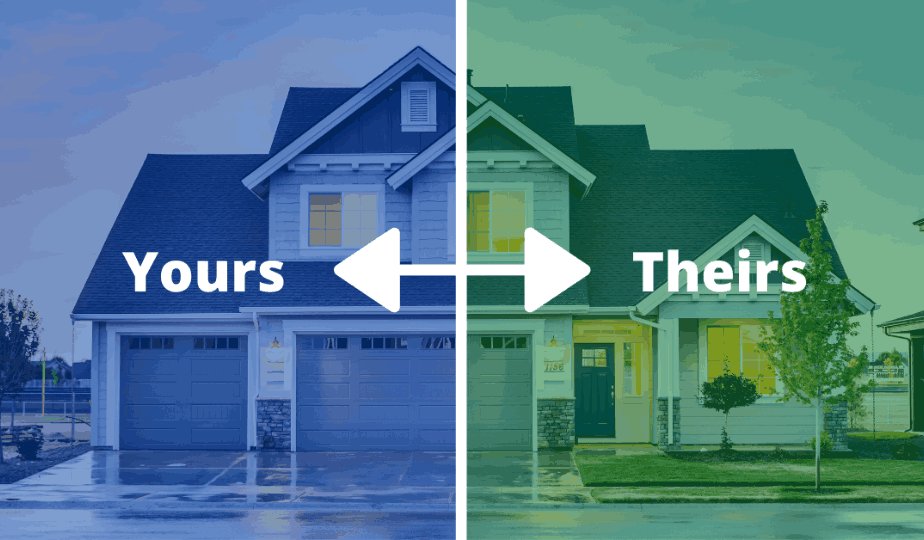
When co-owners of property cannot agree on what to do with it, a partition action asks the court to divide the property or order its sale.
Real estate is often owned by more than one person — siblings who inherit a home, unmarried partners, or business co-investors. When those owners disagree about whether to keep, sell, or use the property, Florida law provides a remedy called partition.
How partition works
A partition action is a lawsuit asking the court to resolve the co-ownership. Because most real estate cannot be physically split, the court will frequently order the property sold and the proceeds divided among the owners according to their interests.
What the court considers
- —Each owner's percentage interest in the property
- —Contributions toward the mortgage, taxes, insurance, and upkeep
- —Rents or benefits one owner may have received
- —Costs of the sale and the litigation
Resolving it efficiently
Partition can sometimes be avoided through a negotiated buyout or voluntary sale, which is often faster and less costly than litigation. When agreement is not possible, however, partition ensures that no co-owner is trapped in a property indefinitely.
If you co-own property and have reached an impasse, Hill & Hill can explain your options and pursue a fair resolution.