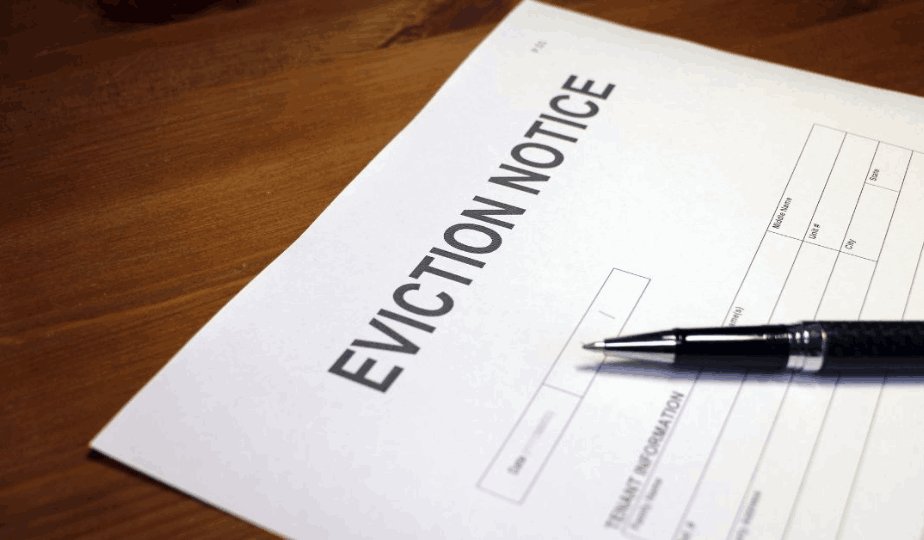
An eviction notice can be alarming, but Florida law sets out a specific process that both landlords and tenants must follow. Understanding it is the first step to protecting yourself.
Whether you are a tenant who has received a notice or a landlord trying to recover your property, the eviction process is governed by Florida's Residential Landlord and Tenant Act. The law requires specific notices and court procedures — shortcuts can derail a case.
It starts with proper notice
Most evictions begin with a written notice. For nonpayment of rent, that is commonly a three-day notice (excluding weekends and legal holidays). Other lease violations may require a different notice. The notice must be accurate and properly delivered.
Self-help is not allowed
A landlord generally cannot change the locks, shut off utilities, or remove a tenant's belongings without going through the court. Doing so can expose the landlord to liability. An eviction must proceed through the county court.
Tenant rights and defenses
- —Receiving proper, accurate written notice
- —Raising defenses such as improper notice or habitability issues
- —Being heard before a judge before any removal
- —Following the court process rather than informal pressure
Eviction matters move quickly, so timing is critical. Hill & Hill assists both landlords and tenants in navigating the process correctly and protecting their rights.